
Allergy Cream for Dogs: What Topical Treatments Can and Can't Do
If your dog is scratching and you've gone looking for an allergy cream, you've probably seen a confusing mix of results: hydrocortisone, oatmeal balms, barrier creams, sprays, ointments, and a few prescription products. They're all sold as relief for itchy dogs, but they do very different things. Some calm the skin you put them on. One kind treats the allergy behind the itch. Knowing the difference saves a lot of money and frustration.
Key Takeaways
- Most dog allergy creams and ointments are symptom relief. They soothe the patch you apply them to, and the itch tends to return when you stop.
- A prescription immunotherapy cream works differently. It contains your dog's own allergens and gradually builds tolerance to them.
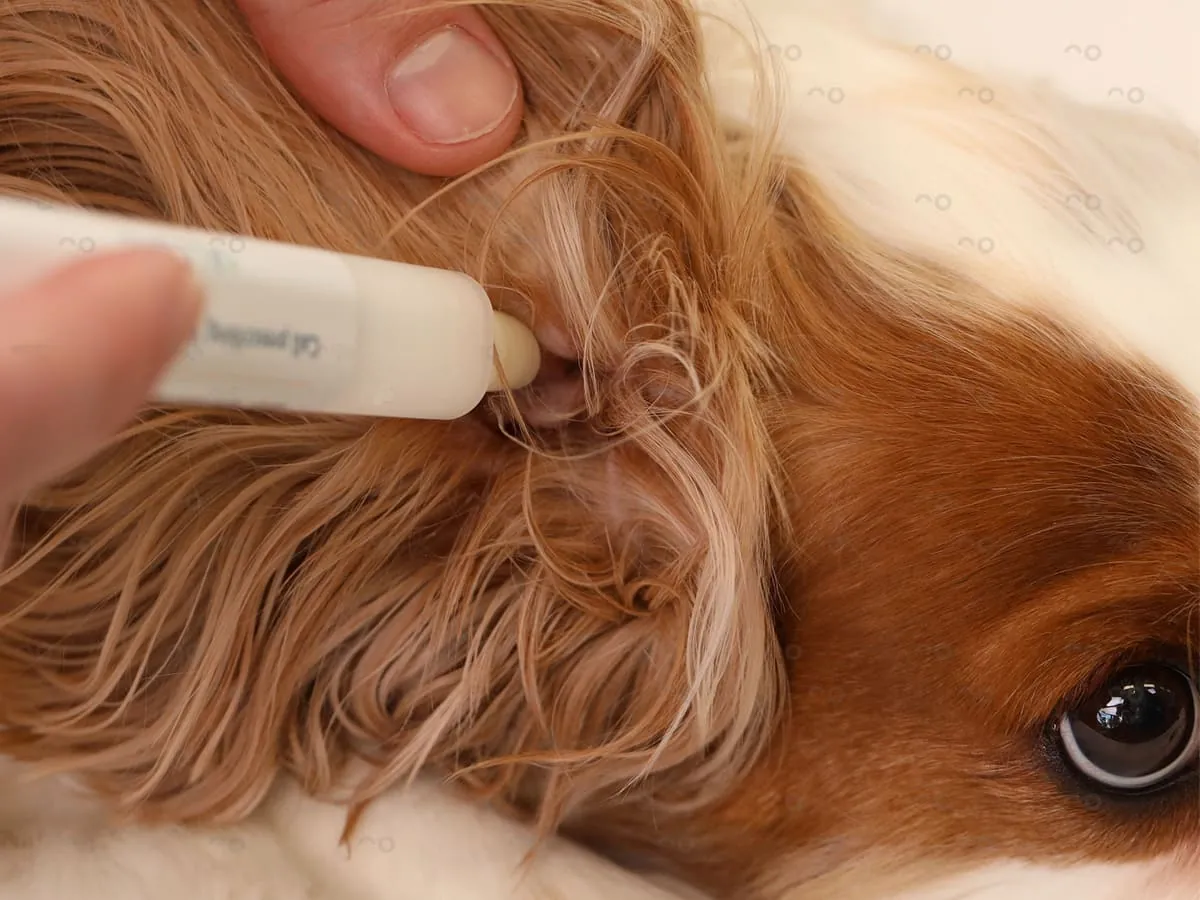
- Allibre is applied to the inside of the ear flap once a day, not to the itchy skin.
- Repeated flare-ups usually point to an allergy that's worth a proper workup, not just a stronger cream.
Two Very Different Kinds of "Allergy Cream"
Soothing and anti-itch creams are what most people picture. This group includes hydrocortisone and other topical steroids, oatmeal and aloe products, barrier creams, and medicated ointments. They act right where you apply them, calming redness and itch on a hot spot, a paw, or a patch of belly. International guidelines on treating canine atopic dermatitis include topical steroids among the options for short-term control of localized flares, so they have a real place. What they don't do is change why the skin keeps flaring.
Immunotherapy cream is a different idea entirely. It's the same treatment as allergy shots (allergen immunotherapy) delivered through the skin instead of with a needle. The cream contains small, gradually increasing amounts of the specific allergens your dog reacts to, like dust mites or certain pollens. Over time, that exposure teaches the immune system to stop overreacting. It's applied somewhere convenient, not where it itches, and it's made to order for each dog.
Comparing Topical Treatments for Dog Skin Allergies
| Soothing / anti-itch creams | Topical steroid creams | Allibre™ immunotherapy cream | |
|---|---|---|---|
| What it does | Moisturizes and calms irritated skin | Reduces inflammation and itch where applied | Builds tolerance to your dog's specific allergens |
| Where it goes | On the itchy area | On the itchy area | Inside of the ear flap, alternating ears |
| How long it's used | As needed | Short courses, as directed by your vet | Daily, as an ongoing treatment |
| Treats the allergy itself? | No | No | Yes, that's the goal |
| How you get it | Often over the counter | Over the counter or from your vet | Ordered by your vet after allergy testing |
When a Soothing Cream Is Enough
A topical product can be all your dog needs when the problem is small and clearly temporary: a single hot spot, a scrape that's itchy as it heals, or a mild reaction after a walk through tall grass. If the itch settles and doesn't come back, there may be nothing more to do.
A couple of cautions apply to any cream. Dogs lick, so whatever you put on the skin can end up in their mouth. Some human products contain ingredients that aren't safe for pets, which is why it's worth checking with your vet before reaching for your own medicine cabinet. And if you find yourself buying the same cream again and again, that pattern is telling you something.
When the Itch Keeps Coming Back
Itching that returns every few weeks, follows the seasons, or moves around the body (paws one month, ears the next) usually means an underlying allergy. Environmental allergies to things like pollen, mold, and dust mites are among the most common reasons dogs itch, and no amount of surface cream changes the immune reaction driving them. Our guide to why dogs get itchy walks through the patterns that point toward allergies, parasites, or infection.
This is the point where a vet visit and allergy testing pay off. Once your vet knows what your dog is reacting to, the conversation can move from calming each flare to treating the allergy over the long term.
How Allibre Works
Allibre is a once-daily, custom-formulated cream made from your dog's allergy-testing results. You apply it to the inside of the ear flap, switching ears each day. The first phase, induction, lasts about three months and steps up the allergen strength through a series of pens. After that, your dog continues with a daily maintenance dose. There are no needles, no refrigeration, and no rules about food or water around dosing, which makes it much easier to keep going for the months that immunotherapy takes.
In a pilot study run with board-certified veterinary dermatologists, dogs treated with Allibre showed a 68% reduction in D. farinae-specific IgE along with significant improvement in CADESI-4 skin scores. The clinical data page has the full results. Allibre is also made for cats, using the same approach.
Can You Use Both?
Often, yes. Immunotherapy takes time to build, so many dogs still need something for flares along the way, whether that's a soothing cream, a short course of medication, or another itch-control option your vet recommends. Over time, the hope is that flares become milder and less frequent. Our comparison of steroids, antihistamines, and immunotherapy explains how those options fit together.
Common Questions
What is the best cream for dog allergies? It depends on what you're treating. For a small, irritated patch, a soothing or anti-itch cream your vet recommends can help in the short term. For environmental allergies that keep coming back, the goal shifts to the allergy itself, and that's where a prescription immunotherapy cream like Allibre fits. Your vet can tell you which situation your dog is in.
Can I use human hydrocortisone cream on my dog? Ask your vet first. Dogs lick their skin, so anything you apply can end up swallowed, and some human products contain ingredients that aren't safe for pets. Your vet can recommend a product and tell you how long to use it.
Where do you apply Allibre? On the inside of the ear flap (the pinna), once a day, alternating ears. It isn't applied to the itchy spots. The ear flap is just where the allergens are absorbed through the skin.
How long does an allergy cream take to work? Soothing creams can make a patch more comfortable within days, but the effect fades when you stop. Immunotherapy cream works on a longer timeline. Allibre starts with an induction phase of about three months, and improvement builds over months of daily use.
Do I need a prescription for an allergy cream for dogs? Many soothing creams are sold over the counter. Allibre is different: it's made for each dog from allergy-testing results and ordered by your veterinarian.
Talking to Your Vet
Allibre is ordered by veterinarians after an allergy workup. If your dog's itching keeps coming back despite creams and sprays, ask your vet about allergy testing and whether a transdermal immunotherapy cream is a good fit. You can also send Allibre's information to your vet before your appointment.
Allibre is ordered by veterinarians only. Ask yours if it’s right for your pet.
Ask Your Vet