
Befrena vs. Cytopoint: How the Two Anti-Itch Injections for Dogs Compare
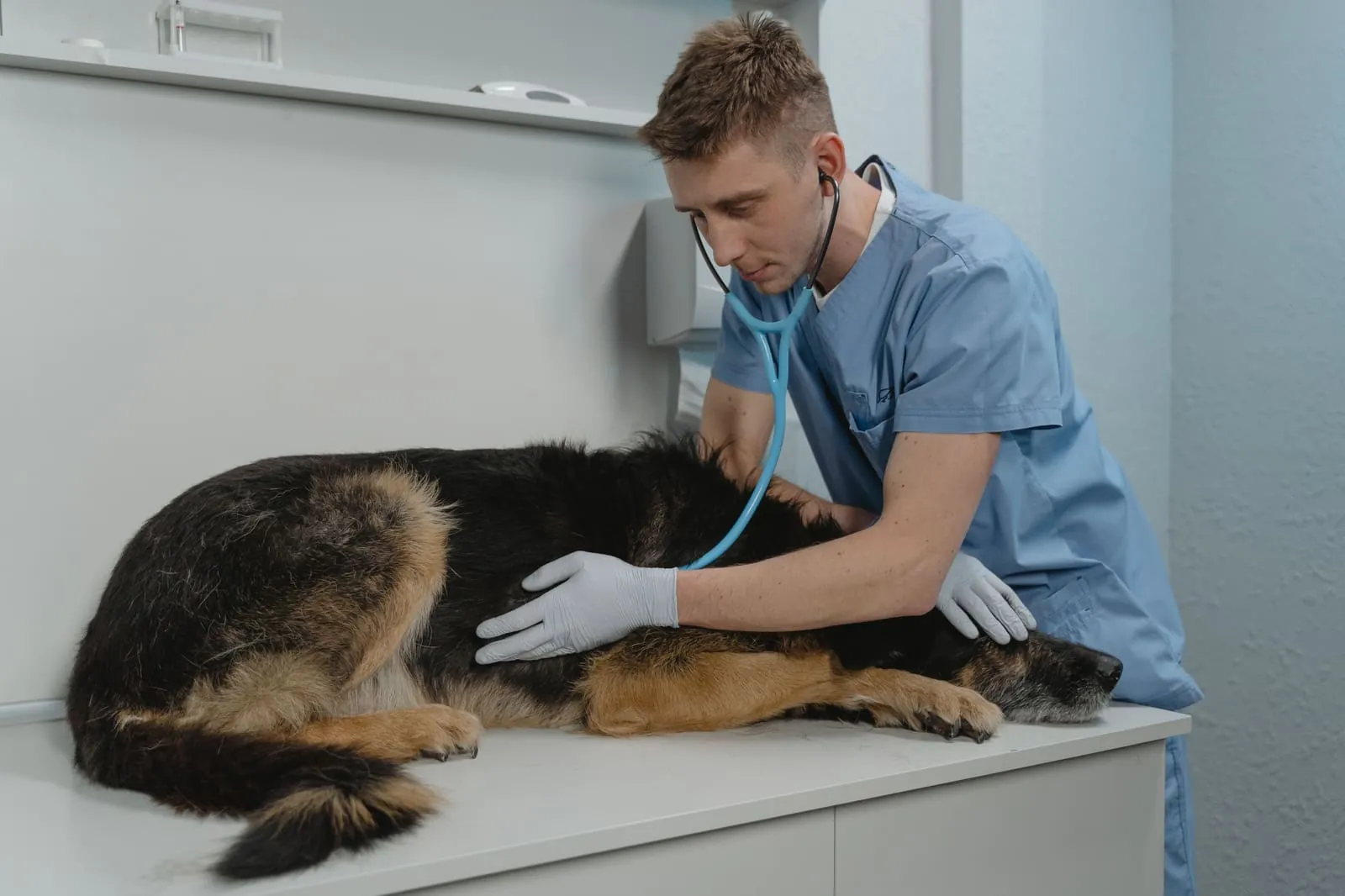
For almost a decade, Cytopoint was the only antibody injection for itchy dogs. In 2026 it got its first direct competitor: Befrena, from Elanco. Both are shots given at the vet clinic, both block the same itch signal, and both are used for dogs with allergic and atopic dermatitis. If your vet has mentioned Befrena, or you've seen it in the news, here's how the two actually compare, and what neither one does.
Key Takeaways
- Befrena (tirnovetmab) and Cytopoint (lokivetmab) are both anti-IL-31 antibody injections. They block the same itch signal, the same way.
- The main difference is the labeled dosing interval: every 6–8 weeks for Befrena, according to Elanco, versus every 4–8 weeks for Cytopoint.
- Befrena began a phased US launch in May 2026, so not every clinic carries it yet.
- Both are for dogs only, and both control itch for as long as the injections continue. Neither changes the underlying allergy.
- Allergen immunotherapy is the option that targets the allergy itself, and it can be started alongside either injection.
What Both Injections Do
When an allergic dog reacts to pollen, dust mites or another trigger, the immune system releases a messenger called interleukin-31 (IL-31). IL-31 is one of the main signals that tells nerves in the skin to itch. Both Befrena and Cytopoint are monoclonal antibodies: lab-made proteins that bind IL-31 and stop it from delivering that signal. Less IL-31 activity means less scratching, licking and chewing, usually within about a day.
Because they're antibodies rather than chemical drugs, both are regulated as veterinary biologics by the USDA, not the FDA, and both are given as an injection under the skin at the clinic. Neither is a pill you can give at home.
At a Glance
| Befrena | Cytopoint | |
|---|---|---|
| Active ingredient | Tirnovetmab | Lokivetmab |
| Maker | Elanco | Zoetis |
| How it works | Blocks IL-31 (itch signal) | Blocks IL-31 (itch signal) |
| How it's given | Injection at the clinic | Injection at the clinic |
| Labeled dosing interval | Every 6–8 weeks | Every 4–8 weeks |
| Species | Dogs | Dogs |
| On the US market | Phased launch from May 2026 | Since 2016 |
| Treats the underlying allergy? | No | No |
The Main Difference: How Often
Elanco announced USDA approval of Befrena at the end of December 2025, with a recommended dosing interval of six to eight weeks, compared with four to eight weeks for Cytopoint. Elanco also describes Befrena as effective for dogs of any age.
In practice, how long an injection lasts depends on the dog and the season. Some dogs on Cytopoint need injections closer to every four weeks, particularly during peak allergy season. Whether Befrena reliably stretches that out for an individual dog is something you and your vet will learn over the first few injections. We're not aware of a published head-to-head study comparing the two.
Availability
Elanco began a phased US rollout of Befrena in May 2026, starting with clinics in an early-access program and widening as manufacturing capacity grows. Cytopoint has been widely available since 2016. If you're interested in Befrena, ask your clinic whether they stock it yet.
Cost
Neither company publishes a retail price. The cost is set by your clinic and usually depends on your dog's weight, since larger dogs need a larger dose. When you compare, count injections per year rather than the price of one shot. An injection every four weeks works out to about 13 visits a year. Every eight weeks is about six or seven. Exam fees for those visits add up too. There is no generic version of either drug.
What Neither Injection Does
Both injections are very good at what they do: they turn down the itch. Neither changes why your dog is allergic. The immune system keeps reacting to the same allergens, so when the injection wears off, the itch usually returns. That's why these injections are typically continued for as long as itch control is needed. Our guide to alternatives to Apoquel and Cytopoint walks through every option, including the older ones.
Allergen immunotherapy works differently. Your pet receives small, gradually increasing amounts of the exact allergens it tested positive for, so the immune system learns to tolerate them. The ICADA treatment guidelines for canine atopic dermatitis single it out as the treatment aimed at the allergic response itself. It takes months to build, so vets often keep an itch-control injection in place at first, then reduce it as the immunotherapy starts working.
Treat the Allergy, Not Just the Itch
Allibre is a once-daily immunotherapy cream for dogs and cats, made from your pet's allergy-testing results and rubbed on the inside of the ear. No needles, no pills, and it can be started alongside Befrena or Cytopoint. It's prescribed by your vet, so the first step is asking them about it.
How to get Allibre for your petChoosing With Your Vet
If your dog is doing well on Cytopoint, there may be no reason to switch. If injections aren't lasting as long as you'd like, or the visits are hard to keep up with, Befrena's longer labeled interval is worth asking about. Either way, it's worth having a second conversation about the long-term plan: does your dog need injections indefinitely, or is it time to look at allergy testing and immunotherapy? For a side-by-side look at the daily-cream approach, see Allibre vs. Cytopoint.
Common Questions
Is Befrena better than Cytopoint? Neither has been shown to be better at controlling itch. They work the same way, by blocking IL-31. The main difference is the labeled dosing interval: Elanco recommends Befrena every six to eight weeks, while Cytopoint's label is every four to eight weeks. How long each injection lasts varies from dog to dog.
Is Befrena a generic Cytopoint? No. Befrena is a different antibody (tirnovetmab) made by a different company (Elanco). It targets the same itch signal as Cytopoint (lokivetmab, made by Zoetis), but it isn't a copy of it. There is currently no generic or biosimilar version of Cytopoint.
Can cats get Befrena or Cytopoint? Both are labeled for dogs only. For cats, vets commonly use steroids, cyclosporine or allergen immunotherapy. Allibre is formulated for both dogs and cats.
Can my dog switch from Cytopoint to Befrena? That's a decision for your vet, who will weigh how well Cytopoint is working, how long each injection lasts for your dog, and whether Befrena is stocked at your clinic yet.
Is there an alternative to anti-itch injections that treats the allergy itself? Yes. Allergen immunotherapy (allergy shots, oral drops, or a cream like Allibre) uses the specific allergens your pet reacts to, so the immune system learns to tolerate them. It works slowly, so it's often started alongside an itch-control treatment. See how to ask your vet about Allibre.
Allibre is ordered by veterinarians only. Ask yours if it’s right for your pet.
Ask Your Vet