
CADESI-4 Explained: How Veterinary Dermatologists Measure Treatment Success
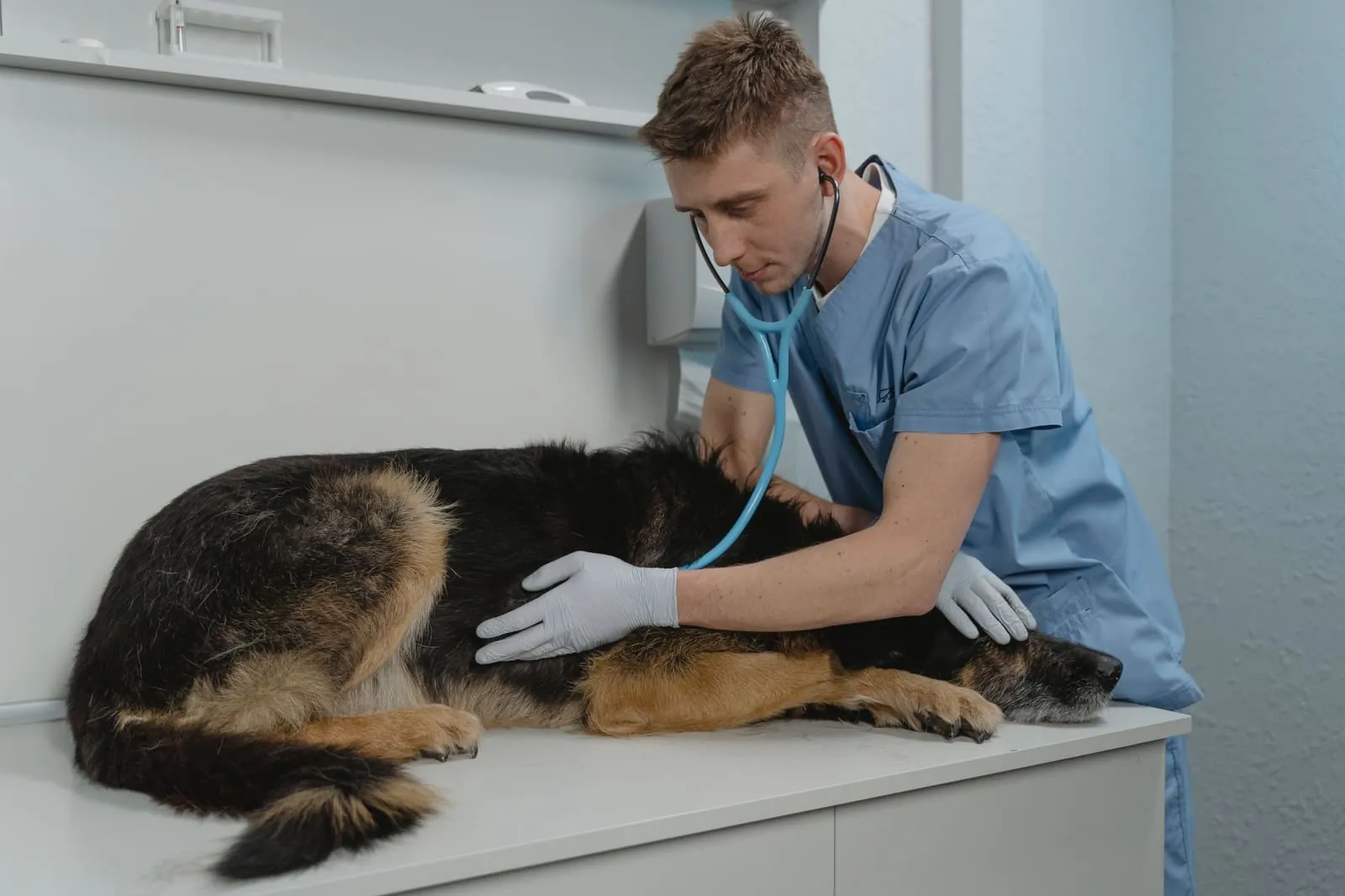
Anyone reading clinical research on canine atopic dermatitis eventually runs into "CADESI", usually followed by a version number, most commonly CADESI-4 today. It sounds technical, and it is, but the underlying idea is straightforward: it's a standardized way for veterinary dermatologists to measure how severe a dog's atopic dermatitis actually is, in a way that's consistent from one exam to the next and comparable across studies.
Key Takeaways
- CADESI-4 is the current, validated revision of the field's standard tool for scoring how severe a dog's atopic dermatitis lesions are.
- It grades a defined set of body regions for specific lesion types (redness, skin thickening, and self-inflicted damage) and combines them into one overall index.
- A lower score means milder skin lesions; CADESI-4 measures lesion severity specifically, not itch intensity or quality of life, which use their own separate scales.
- It isn't specific to any one treatment. It's a shared measurement standard used across the field, including in Allibre's own pilot study results.
Why Dermatology Needed a Standardized Score
"How bad is the skin today?" is inherently subjective without a shared framework: one veterinarian's "moderate" might be another's "mild." That's a real problem for clinical research specifically: if a study is measuring whether a treatment improves atopic dermatitis, it needs a scoring system that produces the same result regardless of which examiner is doing the scoring, and that can be compared meaningfully across different studies and treatments.
What CADESI-4 Actually Scores
CADESI (Canine Atopic Dermatitis Extent and Severity Index) works by examining a defined set of body regions and scoring the severity of specific lesion types present at each, typically erythema (redness), lichenification (skin thickening), and excoriation (self-inflicted skin damage from scratching). Those individual scores are combined into an overall index. The "4" refers to the fourth, current validated revision of the tool, simplified to 20 body sites and refined over earlier, more time-consuming versions to improve consistency and reliability between different examiners.
How CADESI-4 Is Used in Practice, Beyond Clinical Trials
CADESI-4 was built for clinical trials, but boarded veterinary dermatologists also use it (or a simplified regional version of it) during routine rechecks on chronic atopic dermatitis cases. Scoring the same defined body regions at each visit turns "does the skin look better?" into a number that can be compared visit over visit, which is useful for exactly the kind of slow-moving treatment immunotherapy is: gradual improvement over months can be hard to judge from memory alone, but two CADESI-4 scores taken three months apart make the trend concrete. It's one of the reasons a dermatology recheck visit can feel more structured than a general practice one: part of the exam is quite literally generating the same kind of standardized data a clinical study would.
Why It Shows Up Alongside Other Measures, Not Instead of Them
CADESI-4 measures visible skin lesion severity specifically. It's not designed to capture itch intensity on its own (that's typically measured with a separate validated pruritus scale) or quality of life (also usually its own survey instrument). That's why clinical research on canine atopic dermatitis, including studies on immunotherapy, typically reports CADESI alongside pruritus scores and quality-of-life measures rather than relying on any single number. Together, they give a more complete picture: how the skin looks, how uncomfortable the itching is, and how much the condition is actually affecting the dog's daily life.
What to Take Away From Seeing It on a Study
When you see "significant improvement in CADESI-4" cited for a treatment, it specifically means the visible skin lesions (graded by a validated, standardized method rather than an informal impression) measurably improved over the course of the study. It's a meaningful, specific claim, not a vague one, precisely because the scoring method behind it is standardized across the field.
Where This Shows Up in Allibre's Own Data
In a pilot study conducted with board-certified veterinary dermatologists, dogs treated with Allibre's transdermal immunotherapy showed significant improvement in CADESI-4 scores alongside a 68% reduction in D. farinae-specific IgE, the standardized severity measure and a biological marker of the underlying allergic response moving in the same direction. The full results and downloadable source documents are available on the Clinical Data page.
Common Questions
Is a lower or higher CADESI-4 score better? Lower. A lower score means less severe skin lesions across the regions examined; a decreasing score over the course of treatment is the direction that indicates improvement.
Does CADESI-4 apply to cats? No. CADESI-4 was developed and validated specifically for canine atopic dermatitis. Feline atopic skin disease is a real, recognized condition, but it's measured with different, less standardized tools, which is part of why feline research generally lags canine research in this area.
Is CADESI-4 the only thing that matters in a clinical study? No. As covered above, it's typically reported alongside a separate pruritus (itch) scale and a quality-of-life measure, since a complete picture of treatment response needs all three.
Allibre is ordered by veterinarians only. Ask yours if it’s right for your pet.
Ask Your Vet