
Immunotherapy for Cats With Allergies: Shots, Drops, and Cream Compared
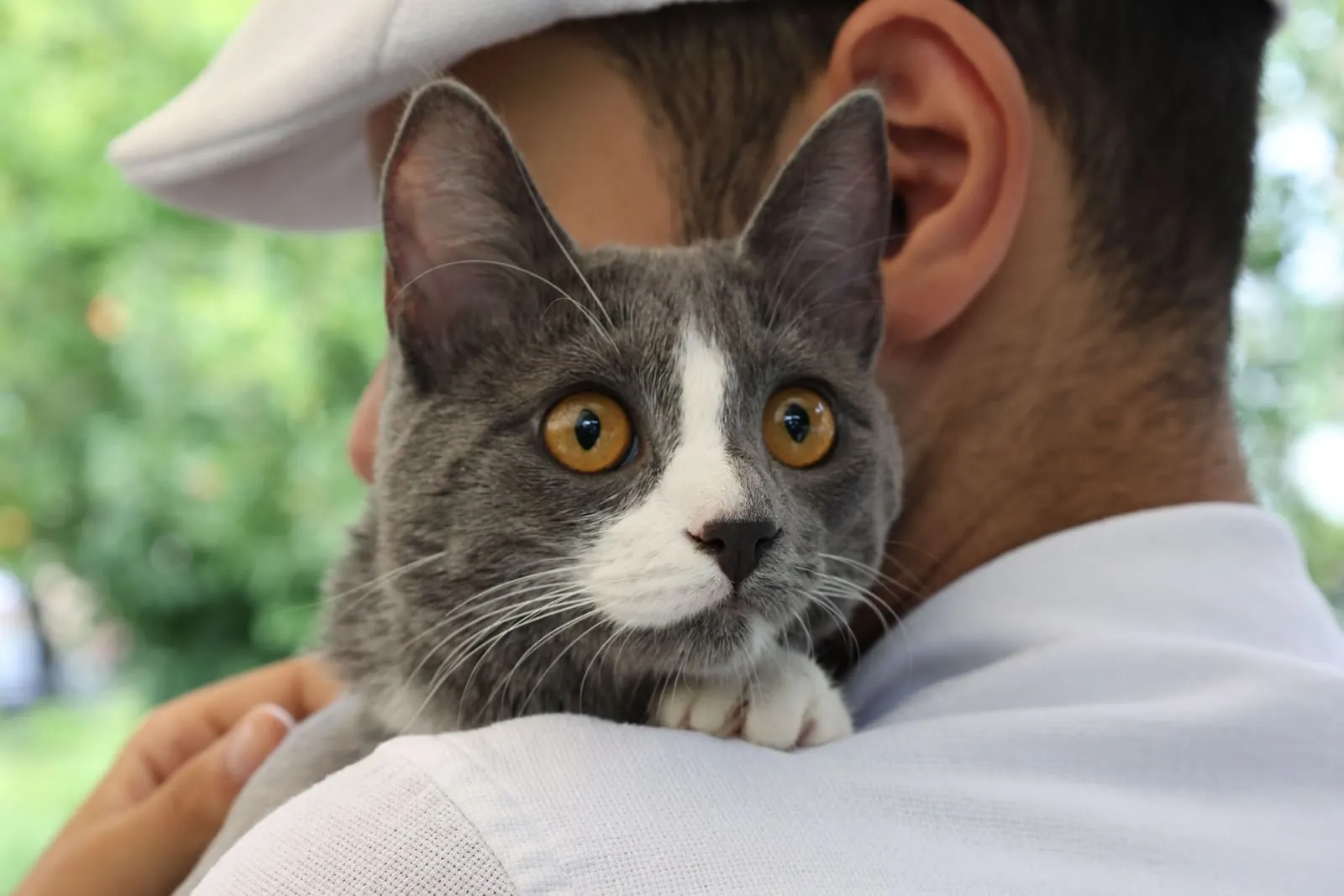
Most of what you read about allergy treatment for pets is written about dogs. Cats get allergies too, though, and the treatment that targets the allergy itself, allergen immunotherapy, is used in cats as well. If your cat has been diagnosed with environmental allergies, or you suspect that's what's behind the overgrooming and scabs, here's what immunotherapy for cats looks like and how the different ways of giving it compare.
Key Takeaways
- Allergen immunotherapy is a recognized treatment for cats with environmental allergies (feline atopic skin syndrome).
- It can be given as allergy shots, oral drops, or a transdermal cream applied to the ear.
- It's slow. Veterinary references suggest committing to about a year before judging the result.
- For many cats, the delivery method decides whether treatment is realistic at all, since injections and drops can be hard on cats who dislike handling.
What Immunotherapy Does for Cats
Allergy medications, like steroids, antihistamines and other anti-itch drugs, calm the reaction after it starts. Immunotherapy works earlier in the chain. Your cat receives small, gradually increasing amounts of the exact allergens it reacts to, such as dust mites, mold, or pollen. Over time, the immune system learns to tolerate them, and flares should become milder or less frequent.
The Merck Veterinary Manual lists allergen-specific immunotherapy among the treatment options for feline atopic skin syndrome, with an important caveat: it has a slow onset, up to 12 months, and isn't meant for acute flares. That's why cats on immunotherapy often keep some flare medication in the plan, especially early on.
Is Your Cat a Candidate?
Immunotherapy makes the most sense for cats whose itching comes from environmental allergies and keeps coming back. Before that diagnosis, your vet will usually rule out the other common causes of itching in cats:
- Fleas, which can cause intense itching from a single bite, often without any fleas you can see.
- Ear mites and other parasites, especially if the scabs are concentrated around the ears.
- Food allergy, which is checked with a strict diet trial rather than a blood test.
Once those are covered, allergy testing (a blood test or an intradermal skin test) identifies which environmental allergens to include. Skin testing is trickier in cats than in dogs because their reactions are fainter and fade faster, so many vets use blood testing or refer to a veterinary dermatologist. Our article on why cats get itchy covers the signs that point toward allergies.
Three Ways to Give Immunotherapy to a Cat
Allergy shots. The traditional route. Injections start on a frequent schedule and spread out over time, either at the clinic or given at home by an owner who's comfortable with a needle. Some cats tolerate this well. Others make every injection day a battle.
Oral drops (sublingual immunotherapy). Drops are placed in the mouth, typically twice a day. There's no needle, but getting a cat to accept something in its mouth twice daily, every day, for a year is a real ask, and some cats rub their faces or drool afterward.
Transdermal cream. Allibre is a cream made for each cat from its allergy-testing results, applied to the inside of the ear flap once a day and alternating ears. There's no needle, nothing in the mouth, no refrigeration, and no timing around meals. For a lot of cats, a quick touch to the ear is the easiest of the three to keep up with.
| Allergy shots | Oral drops | Allibre™ cream | |
|---|---|---|---|
| How it's given | Injection under the skin | Drops in the mouth | Cream on the inside of the ear flap |
| How often | Frequent at first, then spaced out | Usually twice daily | Once daily |
| Needle | Yes | No | No |
| Refrigeration | Yes | No | No |
| Main challenge for cats | Handling for injections | Daily mouth dosing | Remembering the daily routine |
Why Sticking With It Matters So Much
Because immunotherapy takes months to show its full effect, the biggest risk isn't that it fails. It's that it gets dropped before it has a chance. Research on immunotherapy in dogs has looked directly at owner compliance as a limiting factor, and our post on compliance and allergy outcomes covers that work. With cats, who can be even less cooperative, choosing a method your household can manage every day is half the battle.
A few things help: tie the daily dose to something you already do (feeding time works well), keep the treatment where you'll see it, and check in with your vet at the planned intervals even if progress feels slow.
What About the Cost?
Costs vary widely by clinic and region, so your vet is the only reliable source for a number. The main pieces are allergy testing, the immunotherapy itself (refilled over time), and any visits along the way. Injection schedules tend to involve more appointments, while drops and cream are given at home. If you have pet insurance, ask whether allergy testing and immunotherapy are covered, and whether your cat's symptoms started before the policy did.
Common Questions
Can cats get allergy shots? Yes. Allergy shots (subcutaneous immunotherapy) are used in cats with environmental allergies, made from the allergens the cat tested positive for. Oral drops and transdermal cream are needle-free alternatives built on the same idea.
How long does immunotherapy take to work in cats? It's a slow treatment. The Merck Veterinary Manual notes that response can take up to 12 months and advises owners to commit to a year of immunotherapy before judging whether it's working. Many cats need other medication to stay comfortable in the meantime.
Is this the same as immunotherapy for people who are allergic to cats? No. This article is about treating a cat's own allergies, such as to pollen or dust mites. If you're allergic to your cat, a human allergist can talk to you about allergy shots or drops for yourself.
Does my cat need allergy testing first? Yes. Immunotherapy is made from the specific allergens your cat reacts to, so testing comes first. Testing doesn't diagnose allergies on its own; your vet diagnoses the condition from your cat's history and exam, then uses testing to choose what goes into the treatment.
Where is Allibre applied on a cat? On the inside of the ear flap, once a day, alternating ears. There's no needle and nothing goes in your cat's mouth.
Talking to Your Vet
Allibre is ordered by veterinarians after an allergy workup, and it's formulated for both cats and dogs. If your cat's itching keeps returning, ask your vet whether allergy testing and immunotherapy make sense, and whether a cream would be easier for your cat than shots or drops. You can send Allibre's information to your vet ahead of the visit.
Allibre is ordered by veterinarians only. Ask yours if it’s right for your pet.
Ask Your Vet