
Inside the Allibre Protocol: From Induction to Maintenance
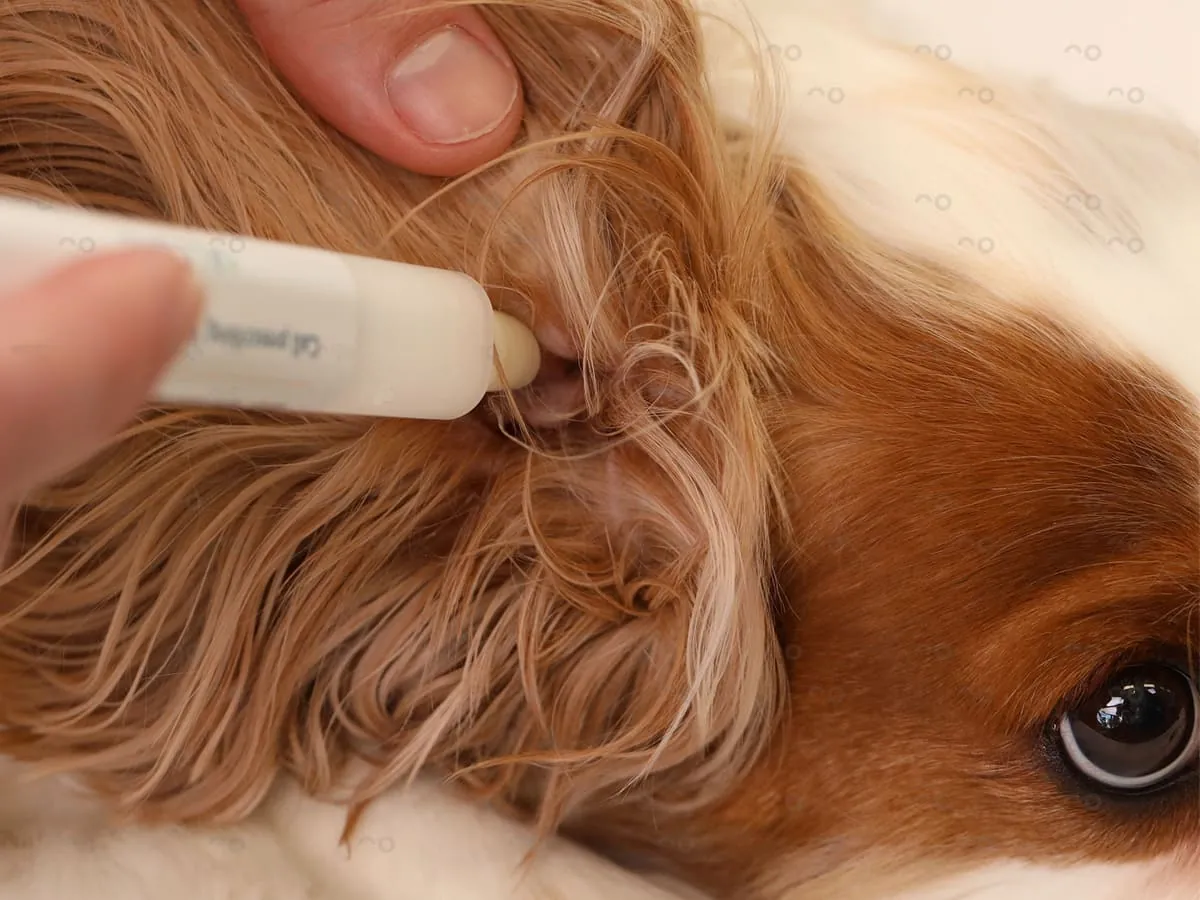
Allibre™ follows the same basic structure as other forms of allergen immunotherapy: an induction phase that gradually increases allergen concentration, followed by a long-term maintenance dose. What's different is delivery. Instead of injections or drops under the tongue, the client applies a measured amount of cream to the ear flap once a day at home. Here's how the protocol runs from the first pen to maintenance, and what to tell clients at each stage.
Key Takeaways
- Induction lasts three months, using three 3 mL pens at increasing concentrations. Maintenance follows with a single 9 mL pen.
- The dose is 2 clicks (0.1 mL) on the hairless inner ear flap, once daily, alternating ears.
- Reorder when the patient starts the final induction pen, then when about 1 mL remains in each maintenance pen.
- Set expectations in months: the ICADA guidelines recommend at least a year of immunotherapy before judging efficacy.
The Schedule at a Glance
| Phase | Supply | Dogs under 20 lb & cats | Dogs over 20 lb |
|---|---|---|---|
| Month 1 | 3 mL pen | 1:12,500 | 1:2,500 |
| Month 2 | 3 mL pen | 1:2,500 | 1:500 |
| Month 3 | 3 mL pen | 1:500 | 1:100 |
| Maintenance (month 4 onward) | Single 9 mL pen | 1:500 | 1:100 |
Each order is delivered to your clinic as a three-month supply. The induction set contains all three pens, and each maintenance order contains one 9 mL pen covering the next 90 days. Prescriptions are written with one year of refills.
Daily Application
The instructions are the same for every phase:
- Dose: 2 clicks of the pen, which delivers 0.1 mL of cream.
- Site: the hairless area of the inner ear flap (pinna).
- Frequency: once daily, alternating ears each day.
- No restrictions: no refrigeration is required, and there are no food or water restrictions around application.
Demonstrating the first application in the exam room is worth the extra two minutes. Clients who have done it once with you watching are more confident at home. Our step-by-step application guide is designed to be shared with clients.
Induction: Months 1 to 3
Induction steps the allergen concentration up once a month, which lets the patient's immune system adjust gradually before reaching the maintenance dose. Clients should use the pens in order and move to the next pen at the start of each month. Labeling the pens clearly and walking through the order at dispensing helps prevent mix-ups.
This is also the period when clients are most likely to wonder whether anything is happening. Immunotherapy works by gradually changing the immune response, not by suppressing itch the way a symptomatic drug does, so early visible change shouldn't be promised. Keeping the patient comfortable with appropriate itch control during this period makes it much easier for the client to stay the course.
Maintenance: Month 4 Onward
From month four, the patient moves to a single 9 mL pen at the month-3 concentration, which lasts about 90 days at the standard dose. Maintenance continues long term, the same model allergen immunotherapy uses in every delivery form to build lasting tolerance rather than only controlling symptoms.
Reorder Timing That Avoids Gaps
Gaps in therapy are the most avoidable reason a protocol stalls. Two rules keep the supply continuous:
- End of induction: submit the maintenance order as soon as the patient starts the final induction pen, around month three.
- During maintenance: reorder when about 1 mL remains in the pen. That's roughly 30 days of therapy, which allows time for preparation and delivery.
Established accounts order through the Allibre ordering portal. Adding a reminder to the patient record at each of these points is the simplest way to make sure reorders aren't left to the client.
Setting Expectations and Measuring Progress
The ICADA 2015 treatment guidelines note that because the onset of clinical benefit might not appear for months, allergen immunotherapy must be continued for at least one year to properly evaluate its efficacy. Sharing that timeline at the first visit, rather than at month two when the client is asking, makes the rest of the conversation easier.
A baseline CADESI-4 score, repeated at rechecks, turns "is it working?" into something measurable. Allibre's pilot study used exactly that schedule, measuring at baseline and after one, three, and six months. See CADESI-4 Explained for how the scoring works, and the Clinical Data page for the results.
Common Questions
Does the cream need to be refrigerated, or timed around meals? No. Allibre requires no refrigeration and has no food or water restrictions, which removes two of the most common sources of missed doses with other immunotherapy forms. If a client is still struggling to keep up, see why compliance matters so much for ways to build application into an existing routine.
Can the patient stay on itch-control medication during induction? Generally, yes. Immunotherapy guidance stresses keeping clinical signs under control before and during treatment, and itch-control medications are commonly used alongside immunotherapy. See how immunotherapy fits alongside Apoquel and Cytopoint.
How long before we know whether it is working? Set expectations in months, not weeks. The ICADA treatment guidelines recommend continuing allergen immunotherapy for at least one year to properly evaluate its efficacy, since benefit may not appear for months. Recording a baseline CADESI-4 score makes progress easier to judge.
See the full clinical data, then register your clinic to start ordering.
Start Ordering