
Befrena for Dogs: What It Is, How It's Dosed, Cost and Side Effects
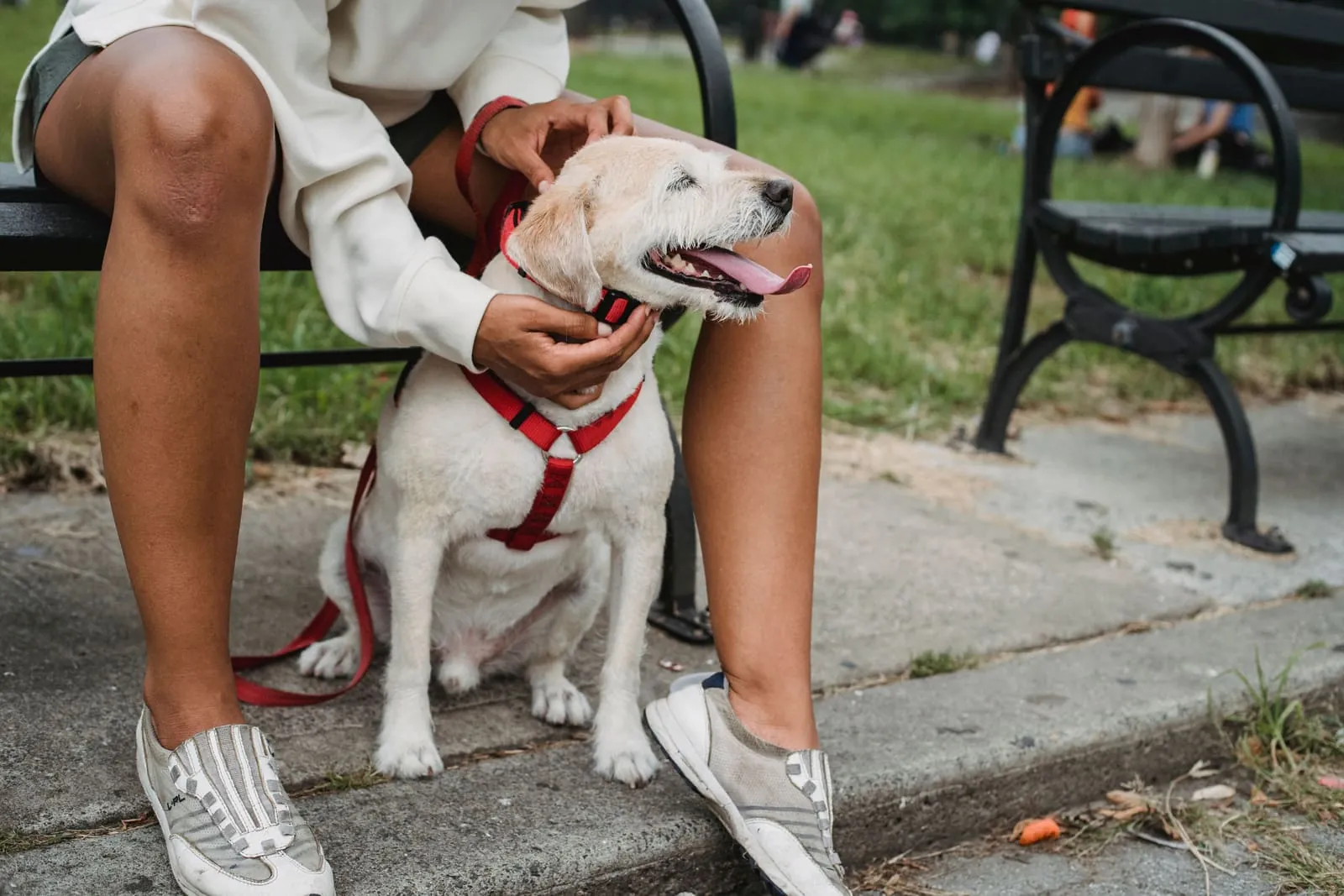
Befrena is the newest anti-itch injection for allergic dogs, and since Elanco began rolling it out in 2026 a lot of owners have been hearing the name for the first time, often from their vet. This guide covers the practical questions: what Befrena is, how the dose is set, how often it's given, what it costs, what side effects to watch for, and what it doesn't do.
Key Takeaways
- Befrena (tirnovetmab) is an antibody injection that blocks IL-31, a key itch signal in allergic dogs.
- It's given at the clinic, dosed by body weight, generally every 6–8 weeks. Elanco says there are no age or weight restrictions.
- The most common side effects Elanco lists are lethargy, diarrhea, vomiting and injection-site reactions.
- There's no published price and no generic. Cost depends on your dog's weight and your clinic.
- Befrena controls itch. It doesn't change the allergy underneath, which is what immunotherapy is for.
What Befrena Is
Befrena's active ingredient is tirnovetmab, a canine monoclonal antibody: a lab-made protein designed to bind one specific target. That target is interleukin-31 (IL-31), a messenger the immune system releases during an allergic reaction. IL-31 travels to nerve endings in the skin and tells them to itch. When Befrena binds it, the signal doesn't arrive, and the scratching, licking and chewing ease off. According to Elanco, relief starts within 24 hours and lasts at least six weeks for most dogs.
It's labeled for allergic dermatitis and canine atopic dermatitis (environmental allergies). Because it's an antibody rather than a chemical drug, it's regulated as a veterinary biologic by the USDA, which approved it in December 2025. Elanco began a phased US launch in May 2026.
Befrena at a Glance
| Befrena | |
|---|---|
| Active ingredient | Tirnovetmab (anti-IL-31 monoclonal antibody) |
| Maker | Elanco |
| Approved for | Allergic dermatitis and atopic dermatitis in dogs |
| How it's given | Injection under the skin, at the clinic |
| How the dose is set | By body weight, from Elanco's dosing chart |
| How often | Generally every 6–8 weeks, or as needed |
| Age or weight limits | None, according to Elanco |
| Onset | Within 24 hours |
| Cats? | No, dogs only |
| Treats the underlying allergy? | No |
How Befrena Is Dosed
You won't measure out a dose of Befrena yourself. It comes in single-use vials in several sizes, and your vet uses Elanco's weight-based dosing chart to choose the combination that matches your dog's weight. The full dose goes in as one injection under the skin, the same way a vaccine is given. That's why the dose, and the price, goes up for bigger dogs.
The vials are kept refrigerated at the clinic and contain no preservatives, which is one reason Befrena isn't sent home with owners. If your dog's weight changes noticeably, the dose changes too, so expect your vet to weigh your dog at each visit.
How Often Your Dog Will Need It
The label interval is every six to eight weeks, or as your dog's needs require. In practice, the first couple of injections tell you a lot. If the itch creeps back at week five, your vet may tighten the schedule. If your dog is still comfortable at week eight, you may be able to stretch it. Allergy season matters as well: many dogs need injections more often in spring and fall than in winter.
A simple itch diary helps here. Note the injection date and score your dog's scratching each week from 0 to 10. After two or three cycles you'll have a clear picture to bring to your vet. Our guide to the CADESI-4 skin score explains how vets measure the skin side of things.
What Befrena Costs
Elanco doesn't publish a retail price, and Befrena has no generic version. Your clinic sets the price, and it scales with body weight. To compare it fairly with other options, think in yearly terms rather than per shot:
- Injections per year. Every 6 weeks is about 9 injections a year. Every 8 weeks is about 6 or 7.
- Visit costs. Some clinics charge an exam or technician fee with each injection.
- Other medications. Count anything still needed alongside it, such as ear or skin infection treatments.
If cost is a pressure point, ask your vet whether your dog is a candidate for a longer-term plan that could reduce how often injections are needed. That conversation usually starts with allergy testing.
Side Effects
Elanco lists lethargy, diarrhea, vomiting and injection-site reactions as the most common side effects, and says that side effects in its clinical studies were comparable to placebo. Dermatitis and bacterial skin infections were seen in both the Befrena and placebo groups, which is expected in allergic dogs. As with any antibody drug, some dogs may develop antibodies against the medication over time, which can make it less effective. If your dog seems unwell after an injection, or the itch control fades much faster than it did at first, tell your vet.
Where to Get Befrena
Only through your veterinarian. Befrena is prescription-only and is given in the clinic, so you won't find it at an online pharmacy for home use. Because Elanco's launch has been phased, not every clinic stocked it straight away. If yours doesn't carry it yet, ask whether they plan to, or whether Cytopoint, the older injection that works the same way, is a reasonable fit. We compare the two in detail in Befrena vs. Cytopoint.
What Befrena Doesn't Do
Befrena is good at turning down the itch. It doesn't change why your dog is itchy. The immune system keeps reacting to the same pollens, dust mites or molds, so when an injection wears off, the itch comes back. That's why anti-itch injections tend to continue for as long as itch control is needed.
Allergen immunotherapy works on a different level. Your dog receives small, gradually increasing amounts of the specific allergens it tested positive for, and the immune system slowly learns to tolerate them. The ICADA treatment guidelines describe it as the treatment aimed at the allergic response itself. It takes months to build, so vets often keep an itch-control injection like Befrena in place at the start and taper it as the immunotherapy takes effect.
Pair Itch Relief With a Long-Term Plan
Allibre is a once-daily immunotherapy cream for dogs and cats, custom-formulated from your pet's allergy-testing results and rubbed on the inside of the ear. No needles, no pills, and it can be started while your dog is still on Befrena. It's prescribed by your vet, so the first step is asking them about it.
How to get Allibre for your petQuestions to Ask Your Vet
- Is Befrena a better fit for my dog than Cytopoint or a daily tablet like Apoquel, Numelvi or Zenrelia?
- What will one injection cost for my dog's weight, and how often do you expect to give it?
- Should we do allergy testing so we know what my dog is reacting to?
- Is my dog a candidate for immunotherapy, so that over time we might need fewer injections?
For a wider view of every option, including tablets, steroids and cyclosporine, see our guide to alternatives to Apoquel and Cytopoint.
Common Questions
What is Befrena for dogs? Befrena (tirnovetmab) is an injectable monoclonal antibody from Elanco for dogs with allergic and atopic dermatitis. It blocks interleukin-31 (IL-31), one of the main signals that makes allergic skin itch. It is given by your vet, usually every six to eight weeks.
How is the Befrena dose worked out? By body weight. Your vet uses Elanco's dosing chart to pick the right combination of vial sizes for your dog's weight, and gives it as one injection under the skin. There is no at-home dosing, and Elanco says there are no age or weight restrictions.
How much does Befrena cost? Elanco doesn't publish a retail price. Your clinic sets it, and it rises with your dog's weight because bigger dogs need a bigger dose. Ask for the price per injection and how often your vet expects to give it, then add the visit fees to get a yearly figure.
Can I buy Befrena online? No. Befrena is prescription-only and is given at the clinic by a veterinarian or veterinary technician. It needs refrigeration and isn't dispensed for home use, so any site offering it for direct purchase should be treated with suspicion.
What are the side effects of Befrena? Elanco lists lethargy, diarrhea, vomiting and injection-site reactions as the most common. In its clinical studies, side effects were comparable to placebo. Call your vet if your dog seems unwell after an injection.
Does Befrena work for cats? No. Befrena is labeled for dogs only. For cats, vets commonly use steroids, cyclosporine or allergen immunotherapy. Allibre is formulated for both dogs and cats.
Does Befrena cure allergies? No. It controls itch for as long as injections continue, but it doesn't change what your dog is allergic to. Allergen immunotherapy is the treatment aimed at the allergy itself, and it can be started alongside Befrena.
Allibre is ordered by veterinarians only. Ask yours if it’s right for your pet.
Ask Your Vet